
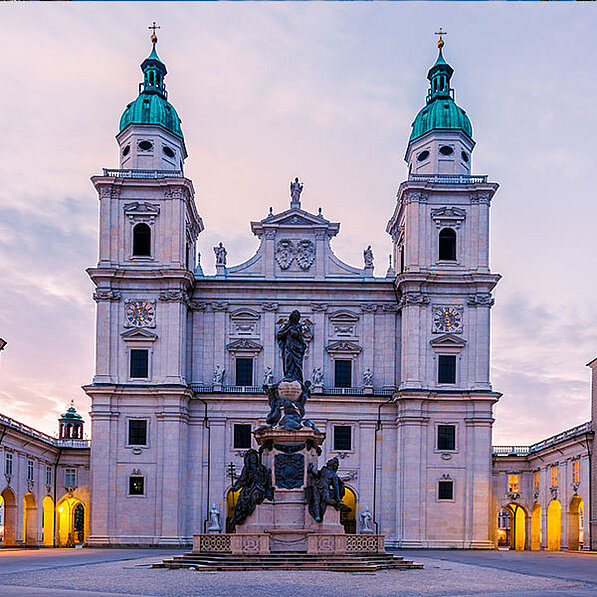
Travel is an essential source of inspiration for our architecture practice based in French Guiana. With this in mind, we recently explored Salzburg, Austria, a city renowned for the remarkable conservation of its historic heritage. This article aims to compare the regulatory frameworks governing architectural projects in Salzburg and Cayenne, while exploring potential solutions for rehabilitating Cayenne’s city centre.
The rules for work on listed monuments: Salzburg vs France
During our discussions with professionals in Salzburg, we learned that the city applies flexible but effective regulations to preserve its listed monuments. Here is a summary of the main differences:
Salzburg: renovation projects must respect the scale, proportions and materials compatible with the architecture of the period, but owners may use modern techniques and alternative materials if the overall aesthetic is preserved. Tax incentives and grants are available to encourage rehabilitation.
France: listed monuments and their surroundings must be restored with materials identical to the originals (for example, zinc for roofs). This approach often leads to prohibitive costs. The obligation to rebuild identically on derelict plots holds back new projects.
These strict constraints, although they aim at optimal conservation, can make projects economically unviable.
Cayenne city centre: between abandonment and opportunity
Despite its historic and architectural potential, central Cayenne faces several problems:
- Abandoned and squatted monuments: many listed buildings remain derelict. The high cost of the materials required for their restoration deters owners from starting work.
- Derelict plots: some plots remain unused because their owners are obliged to rebuild identically, which can be very costly without guaranteeing any notable added value.
Focus: an emblematic Salzburg monument
St Peter’s Abbey, founded in the 7th century, is a jewel of Baroque architecture and a living testimony to the history of Salzburg. Its sculpted details, dazzling frescoes and carefully maintained roof perfectly illustrate how flexible rules make it possible to maintain authenticity while adapting the structure to modern needs.
Conclusion: towards a rethink of the regulatory framework
Our experience in Salzburg convinced us that less strict rules can contribute to better heritage conservation. By making projects more affordable, they attract investors and revitalise the city centre. Conversely, the rigidity of the French framework can have a paralysing effect.
Respecting the spirit of the architecture of the period, without forcing an identical reproduction, could offer a more creative and sustainable path. Harmony between old and modern, as the Louvre Pyramid proves, can bring forgotten spaces back to life and stimulate an architectural renewal.